Related news

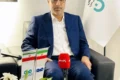
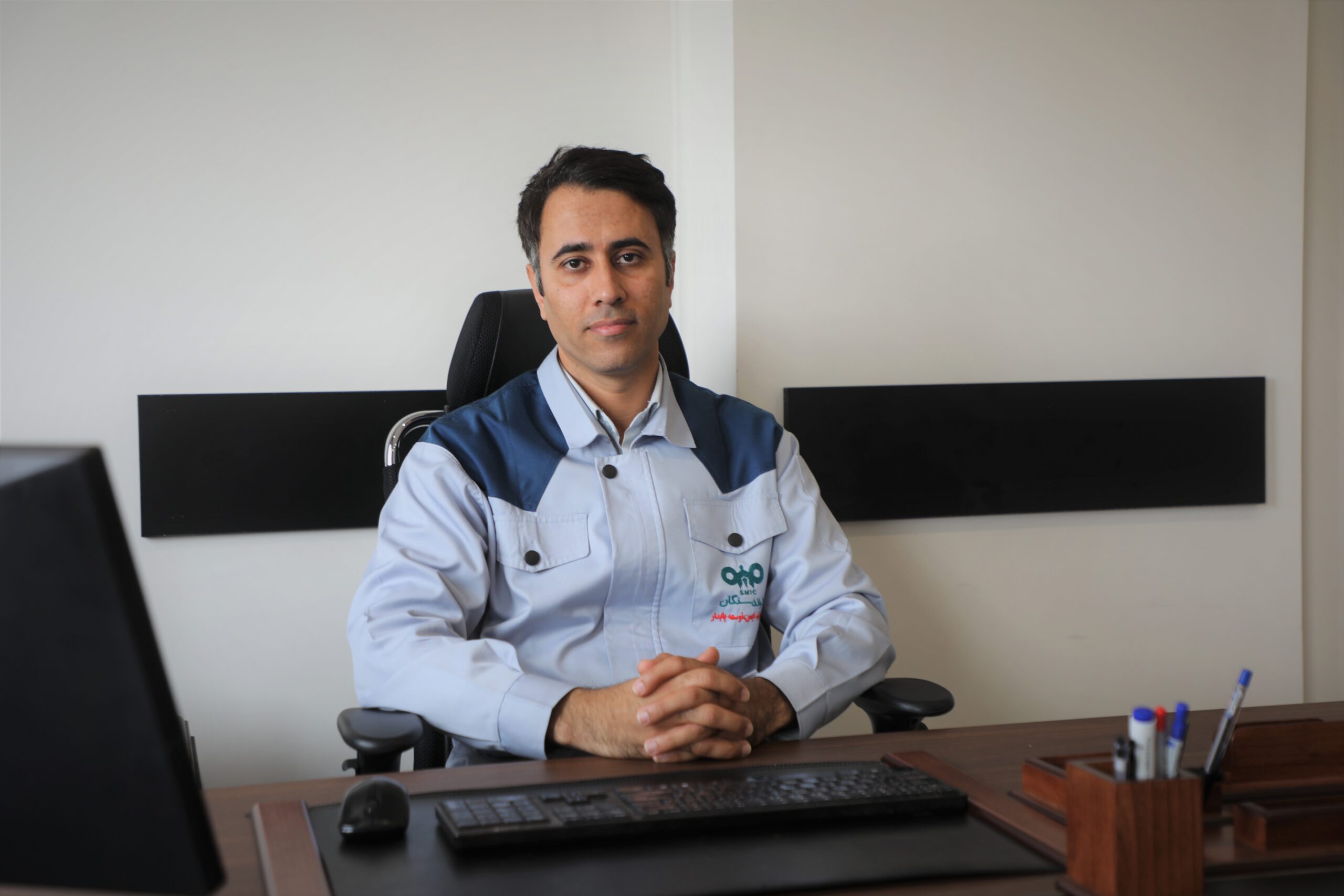
Procurement and Sales Manager of SSMIC Highlights: Challenges in Iron Ore and Energy Supply and Proposal for a Private Consortium to Develop Regional Mining
The Procurement and Sales Manager of Sangan-Khorasan Steel Mining Industries Company, referring to the challenges in securing iron ore and stable energy, identified fluctuations in the quality and quantity of raw materials and energy limitations as the main obstacles to sustainable production, and proposed that by forming a private consortium and delegating mining operations, productivity and production stability in the Sangan region could be enhanced.
Hamid Miri elaborated on the status of raw material supply, sales challenges, and proposed solutions. He stated: “The feedstock for SSMIC’s concentrate plant is mainly magnetite iron ore lumps, the supply of which faces problems. However, through continuous cooperation with the Sangan Iron Ore Complex, we are seeking more stable supply. The main source of iron ore lumps is the state-owned Sangan mines under IMIDRO, which in recent months have faced exploration and extraction challenges. This has led to fluctuations in the quantity and quality of iron ore received and reduced concentrate output at the company.”
He added: “We have held very good joint sessions with officials of the Sangan Iron Ore Complex, resulting in positive cooperation, and we hope that with reduced fluctuations in quantity and quality, we can continuously and properly secure quality raw materials.” Miri continued: “In the absence of suitable alternative sources of iron ore, we are compelled to procure concentrate from regional producers. However, due to transportation and purchase costs and limited supply from producers—who mostly have export commitments—stable supply is often not possible. Nevertheless, despite all limitations, last year we managed to achieve pellet production beyond the plant’s nominal capacity.”
Energy Challenges and Their Impact on Production
Miri noted: “Concentrate and pellet plants, with stable ore and energy supply, can easily plan their production. But currently, limitations exist in both areas. At times, electricity and gas outages make operations more difficult, affecting the entire supply, production, and sales chain.”
He continued: “Sometimes we face energy cuts at our plants, and at other times, when our energy is stable, our customers face electricity or gas outages. Customer production stoppages can lead to excessive product accumulation and risk of production halts. Thus, during the year, our inventory may reach maximum levels once or twice, whether due to reduced production or halted deliveries to customers—both scenarios are costly.”
Miri emphasized: “We must move toward enabling government facilitation of mining operations and productivity improvements, creating new capacities for iron ore supply to regional investors. In Sangan, major investors such as Mobarakeh Steel and Khuzestan Steel are present. Forming a private consortium to manage extraction and transport of iron ore could resolve part of the challenges in stable supply.”
Energy Projects and Sustainability Solutions
He stated: “Some of the country’s major industries, including Mobarakeh Steel, have invested in renewable energy, commissioning solar power projects. At SSMIC, within the Mobarakeh Group framework, a 200 MW wind power plant project has been defined, currently in its initial stages, with progress details available at the company’s Technology Development Division.” Miri added: “Nevertheless, stable energy supply remains under government responsibility and requires more precise planning to ensure greater stability in mineral industry production cycles.”
Sales Challenges and New Records
Miri explained: “Our main mission is to provide stable raw material supply for Mobarakeh Steel and other subsidiaries of the group. Therefore, any production limitation or stoppage in group companies directly affects our sales and deliveries. In recent years, energy shortages in group factories have reduced orders, leading to product accumulation in our warehouses.” He added: “Excessive product accumulation not only risks production stoppages due to technical-operational limits but also slows cash flow, as company capital remains idle in storage.”
He continued: “To address this, we pursued public product sales in the Commodity Exchange, but due to distance and buyers’ preference for closer sources, results were limited. Subsequently, to identify and attract foreign customers, we turned to export ring sales and export auctions. Since the beginning of this year, we have exported four shipments totaling 240,000 tons, marking a significant step in diversifying sales markets.”
Transport Records and Recent Achievements
Miri reported new transport records: “Within less than a month, our team broke the daily transport record twice. On September 16, 2025, we shipped 25,289 tons of pellets, setting a new record. In the same month, total shipments reached 583,000 tons, a 16% increase compared to the previous record of 502,000 tons in June of the previous year. On October 16, 2025, the daily transport record was again raised with 26,000 tons shipped.”
Role of Artificial Intelligence in Sales and Market Analysis
In closing, Miri highlighted technology’s role: “One of the most important applications of artificial intelligence in sales is improving customer relationship management (CRM) systems. AI can enhance customer experience across company interactions, automatically and intelligently responding to their informational needs.” He added: “AI also supports market analysis, especially under current economic conditions with numerous unpredictable variables, facilitating decision-making for the sales unit and providing a more optimal path for sales policy and planning.”