

Entry into Mining Operations and the Greater Role of Mining in Sangan steel’s Development Strategy
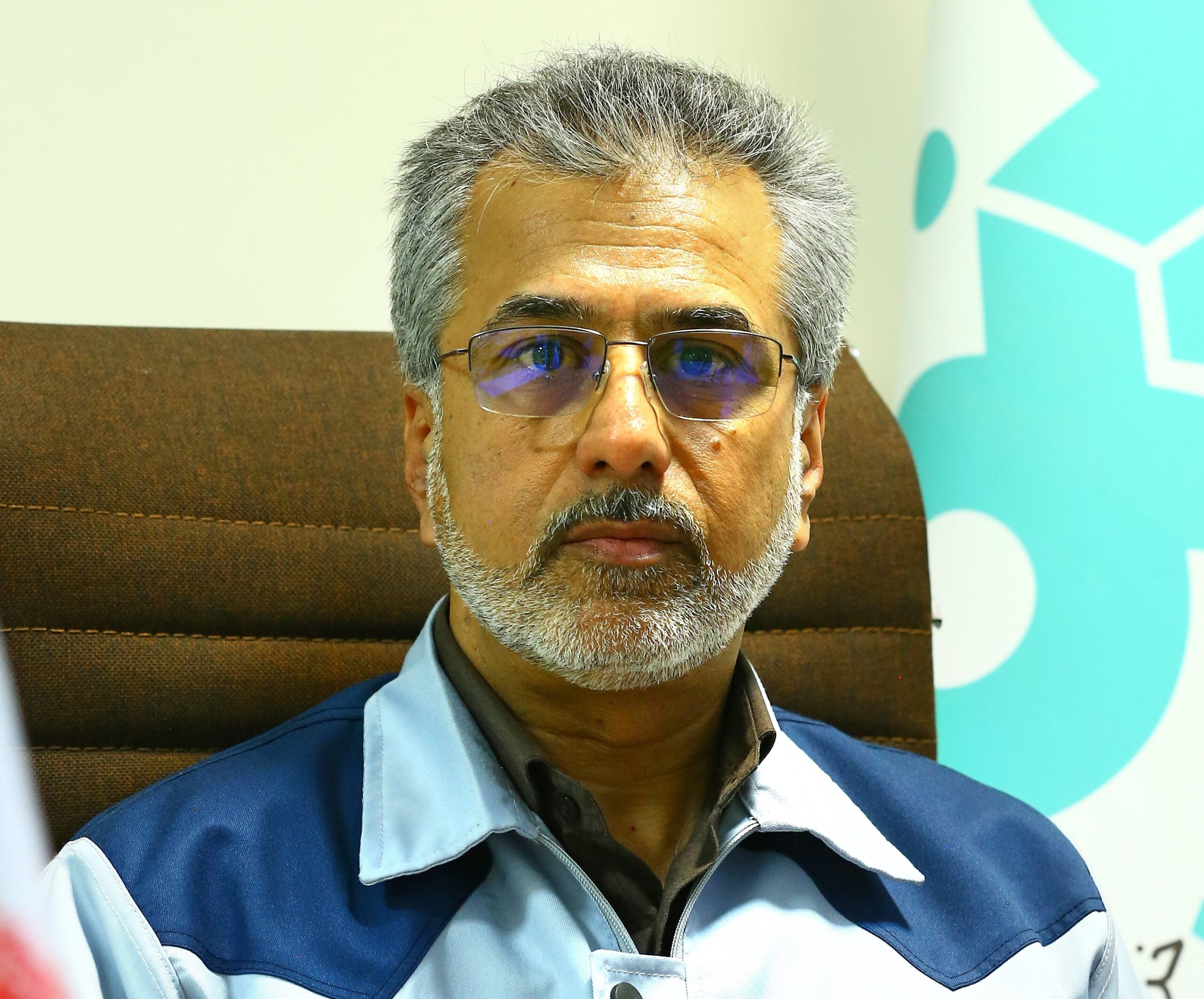
Hossein Abbasnia, Deputy for Mining Affairs at Sangan steel
Sangan steel’s entry into mining operations and its use of company-owned machinery for extraction represent an important step in expanding its role in the raw-material supply chain and strengthening the link between mining and steel production. By increasing control over extraction, improving cost management, and enhancing equipment productivity, this approach can support more stable production and reflects the company’s determination to develop and complete upstream production processes.
Hossein Abbasnia, Deputy for Mining Affairs at Sangan steel, said that mining has strategic importance for the continuity of steel-industry operations. Developing mining activities and establishing independent operational capacity in extraction are particularly significant from the perspectives of supply-chain management and the effective use of mineral resources.
He noted that access to raw materials in the steel industry is not limited to possessing mineral reserves or holding supply contracts. Continuous extraction, operational management, and timely transportation of minerals are also decisive factors in production stability. Sangan steel’s entry into mining should therefore be assessed not merely as the expansion of an operational activity, but as part of completing the company’s value chain.
Iron ore, the principal raw material for steel-chain products, becomes an economic advantage only when reserves can be effectively developed, extraction can be carried out at an appropriate productivity level, and processing plants can receive a regular supply of feed. Sangan steel’s direct involvement in extraction can strengthen the operational connection between mining activities and the company’s production requirements.
Abbasnia added that this approach allows closer coordination among extraction plans, equipment capacity, processing-plant requirements, and raw-material supply schedules. The closer mining operations are aligned with the needs of downstream production stages, the better the company can manage material flows and reduce operational mismatches. Disruption at any stage—from extraction to transportation—can affect subsequent stages and, if prolonged, jeopardize feedstock supply and production plans.
The performance of drilling, loading, and hauling equipment directly affects extraction capacity, operating cycle times, the cost per tonne of mineral material, and achievement of production targets. Direct access to an operating fleet and the ability to schedule it according to mine requirements can therefore improve the company’s control over these variables.
Using company-owned mining machinery also provides a stronger basis for integrated maintenance management, work-hour planning, fuel-consumption monitoring, spare-parts management, and equipment-performance assessment. Effective equipment utilization, fewer unnecessary stoppages, control of operating costs, and achievement of production plans are consequently central priorities.
Abbasnia stressed that the significance of this development lies not simply in equipment ownership, but in the relationship between asset ownership, direct operational management, and integrated resource planning. He described the company’s entry into mining as consistent with the mission of the Mobarakeh Steel Group and as a reflection of confidence in Sangan steel’s capabilities and the group’s long-term strategic outlook.
Direct involvement in mining can improve coordination between extraction schedules and production requirements, particularly when mineral capacity, production expansion, and cost management must be considered together. It also enables more accurate assessment of fleet performance and identification of operational bottlenecks. Comparing actual extraction costs, output per equipment operating hour, downtime rates, and machinery productivity can provide a sounder basis for resource allocation and mining-capacity development.
Investment in mining should be assessed in terms of greater control over extraction schedules, direct management of equipment performance, sustained use of the fleet, timely supply of the lump iron ore required by the plant, and prevention of production-line stoppages. Reduced dependence on external services in selected operational areas can also increase managerial flexibility.
In conclusion, Abbasnia said that an appropriate fleet, integrated operational management, systematic equipment maintenance, and continuous monitoring of productivity indicators are essential to converting mineral potential into economic value. The success of Sangan steel’s mining expansion will depend on its ability to manage resources efficiently, control costs, and establish a sustainable operational link between extraction and the production chain