

Related news


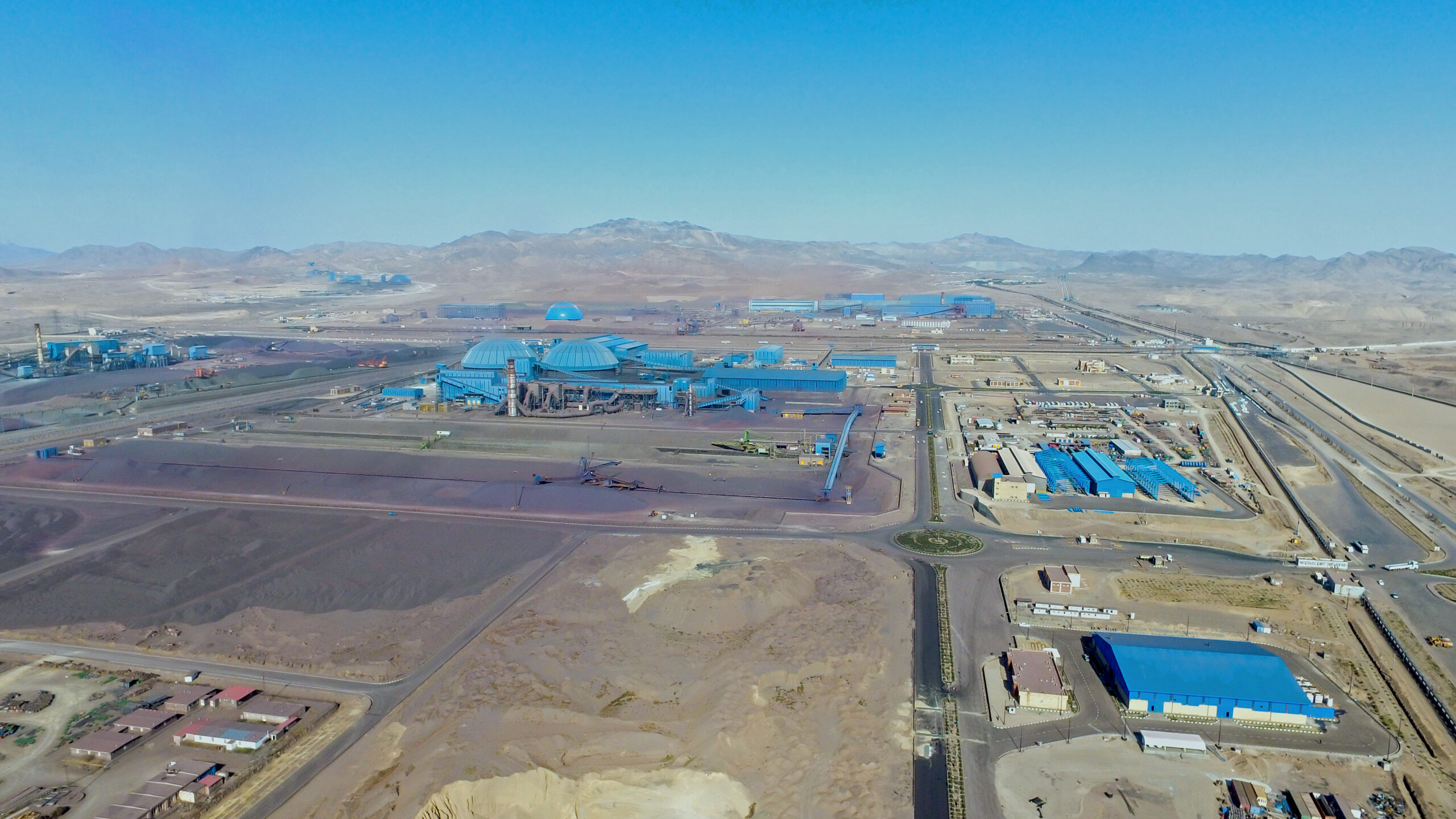
The Effects and Consequences of Establishing a Single Exchange Rate System on the Competitiveness and Performance of the Steel Chain
In past years, various foreign exchange policies were adopted with the aim of controlling inflation and supporting production, but experience has shown that these policies, which were mainly control-oriented in nature, have in the long term become one of the factors of reduced transparency and disruption in the pricing mechanism, as well as the creation of parallel markets. Considering this issue, the move towards a single exchange rate system has been placed on the agenda as a reform of the exchange rate structure, which can provide the ground for the elimination of rent and the formation of competition based on real prices; although this transition in the short term entails cost and inflationary shocks for industries such as steel. The performance of the steel chain as one of the economic drivers is affected by the dual effects of this policy, in such a way that on the one hand, with the increase in production costs, pressure is exerted on the liquidity and profitability of enterprises, and on the other hand, by strengthening export advantages and increasing transparency in performance, a suitable platform for export development is provided.
For years, in Iran’s economic structure, the issue of multiple exchange rates has been interpreted as a fundamental challenge and a factor for creating rent and corruption; a policy whose adoption pursued multiple goals including controlling the prices of essential goods, curbing inflation, supporting production and economic enterprises, managing and controlling the foreign exchange market, prioritizing resource consumption, and curbing capital flight, but in practice led to reduced price transparency, economic problems, and the formation of parallel markets. In this protectionist policy, foreign currency is allocated at a lower rate compared to the free market to applicants and industries with the aim of controlling costs and maintaining competitiveness, but a meticulous examination of its effects on the country’s economic structure and the performance of value chains including steel in the long term shows that the adverse effects and consequences of this action have been greater than its benefits.
Considering such circumstances, the unification of the exchange rate has been placed on the agenda as a necessary step for reforming the country’s exchange rate system, ending the rent caused by the price gap, and entering the competitive arena based on real prices; an issue that in the short term and sometimes medium term has many positive and negative effects on the performance of value chains. Naturally, Sangan-Khorasan Steel Mining Industries Company (SSMIC) as one of the raw material suppliers of the country’s steel industry will not be exempt from the positive and negative consequences and cost shocks of the single exchange rate.
When this company’s plans are carried out based on a single exchange rate, revenues and costs are also evaluated based on real prices, which, while providing the possibility of more efficient planning, also increases business risks and uncertainties. It should be considered that the strategic outlook of Sangan-Khorasan Steel Mining Industries Company (SSMIC) has always been towards removing obstacles and moving towards maintaining competitiveness so that it can have a brilliant performance in the chain. However, the policy of single exchange rate requires the adoption of some efficient strategies and directives for stabilizing economic conditions and controlling inflation and liquidity so that economic enterprises remain immune from the shocks caused by the increase in the exchange rate.
Consequences of a Policy
In past years, the government’s general policy to prevent the full transmission of the exchange rate shock to inflation and the effects of the free market exchange rate increase on household consumption basket was the allocation of cheaper foreign currency compared to the free market for the import of essential goods, medicine, and production inputs. Also, this law provided that this foreign currency be allocated to some industries such as steel and petrochemicals so that economic enterprises active in these industries, as part of the country’s economic structure, could continue their activities under the conditions of international sanctions by controlling costs, and in return, these industries were obliged to conduct their exports at the official exchange rate which was lower than its real rates; an issue that in practice led to the wastage of these industries’ resources and a sharp decline in their export profit margin.
The unification of the exchange rate for the purpose of increasing transparency, improving resource allocation, and eliminating currency rents is an issue that many economic experts agree upon; an issue whose realization without special measures and supportive policies in the short term imposes many shocks on industrial activities. The steel chain as one of the key sectors of the country’s economic structure also faces many challenges in the stage of transitioning from multiple exchange rates to a single rate. The first challenge in this regard is short-term inflationary shocks that lead to an increase in energy rates and the growth of prices of some consumable items, raw materials, and imported equipment and machinery, and its effects ultimately manifest in the increase of the product’s final cost. Under these conditions, enterprises that have a more complete value chain can manage the direct pressure on the final cost through optimal cost management.
Sangan-Khorasan Steel Mining Industries Company (SSMIC) as a company located in the upstream part of the steel chain plays an important role in supplying raw materials for this strategic industry. Under conditions of inflationary shock and increase in the price of production inputs, naturally the final cost of this company’s products will also increase, and if product pricing is done in the previous manner, this company’s profit margin will also be affected. Of course, this company, by using modern technologies, enhancing productivity, and maximizing the use of production capacities, is always trying to maintain its profit margin at an optimal level through controlling and managing production costs. It is worth mentioning that the profit margin of Sangan-Khorasan Steel Mining Industries Company (SSMIC) in the first six months of this year has increased compared to the same period last year.
Although the single exchange rate policy leads to an increase in production costs, it also results in the realization of a more realistic exchange rate for foreign currency revenues, such that with the reduction of risk caused by multiple exchange rates, revenue transparency also increases. In fact, one of the most important indirect effects of the single exchange rate is the realization of real profit and loss of companies and the increase in the transparency of their financial statements. In a situation where the structure of costs and revenues is presented more transparently in financial reports, it can be expected that economic enterprises will also show greater sensitivity towards investment in key areas, because the cost of importing equipment for completing development projects will increase, and even some projects under construction may lose their economic justification. On the other hand, in an economic structure based on a single exchange rate, the real cost, rate of return, and payback period of projects can be predicted more effectively, and a smarter choice can be made for the design and implementation of development projects.
It is worth mentioning that when the exchange rate is close to its price in the free market, it can be expected that the export of steel chain products will increase significantly, because previously exporters were obliged to convert currency at approved rates, and this issue, by reducing return revenues, made exports economically unviable. It can be confidently said that with the increase in the attractiveness of steel exports, production growth with the highest level of productivity will be prioritized, an issue that doubles the necessity of sustainable supply of raw materials for the chain and the conclusion of long-term contracts with a fixed exchange rate; an issue whose effect on the performance of Sangan-Khorasan Steel Mining Industries Company (SSMIC) in the long term is also evaluated positively. It should be considered that with the elimination of currency rents, competition among steelmakers also moves towards becoming more realistic and based on comparative advantages, such that improving productivity, production capacity, and the level of use of modern technologies will become the main axis of competitiveness. In this regard, Sangan-Khorasan Steel Mining Industries Company (SSMIC) has placed special focus on upgrading the level of technology and smartening processes, which can, even in the change of exchange rate policies, benefit from its competitive advantages towards production growth and revenue generation.
Effective and Constructive Solutions
According to what has been stated so far, the effects of establishing a single exchange rate system on the performance and course of activities of the steel industry cannot be evaluated as completely positive or negative, but rather it can be considered a smart and purposeful solution for economic transformations and defining new competitive advantages, the scope of whose effects also becomes evident in the performance of economic enterprises. Since Sangan-Khorasan Steel Mining Industries Company (SSMIC) has always been focused on creating and strengthening constructive competitive advantages and relying on domestic capability, it suffers less damage and loss from the unification of the exchange rate. However, this company is also dependent on appropriate access to foreign currency resources for financing development projects and purchasing some equipment, parts, and production inputs.
Considering that the establishment of a single exchange rate system in the short term leads to inflationary shocks, creating stability and predictability in exchange rate and trade policies is more necessary than any other issue so that, by controlling inflationary expectations and avoiding ad-hoc decision-making, a safe space is created for the realization of production, sales, and export plans. On the other hand, the requirements and prerequisites of the foreign exchange market must also be regulated in such a way that, while forming appropriate supply and demand, the necessary platforms for discovering the appropriate price are created.
On the other hand, revising tariff and export policies is also of particular importance regarding supporting the performance of the steel industry, because the application of targeted tax incentives for export-oriented units can become a powerful stimulus for moving towards productive production with greater productivity. This is while if currency repatriation is accompanied by complex and directive processes, the incentive for exports also decreases. It should be considered that with the unification of the exchange rate, the profitability of economic enterprises is affected in the short term, which leads to a decrease in their working capital and liquidity rates. What is of great importance in this regard is facilitating the process of financing so that through appropriate access to banking facilities, the risks caused by liquidity shortages are minimized.
In a general summary, the degree of efficiency and effectiveness of the single exchange rate in the country’s economic structure and its effects on the steel chain depends on distancing from directive policies and focusing on adopting policies to overcome the shocks caused by its transformations; an issue that can pave the path for growth and sustainable development and strengthening competitiveness throughout the entire value chain.